2026 World Cup Format Explained: 48 Teams, 12 Groups and the New Round of 32
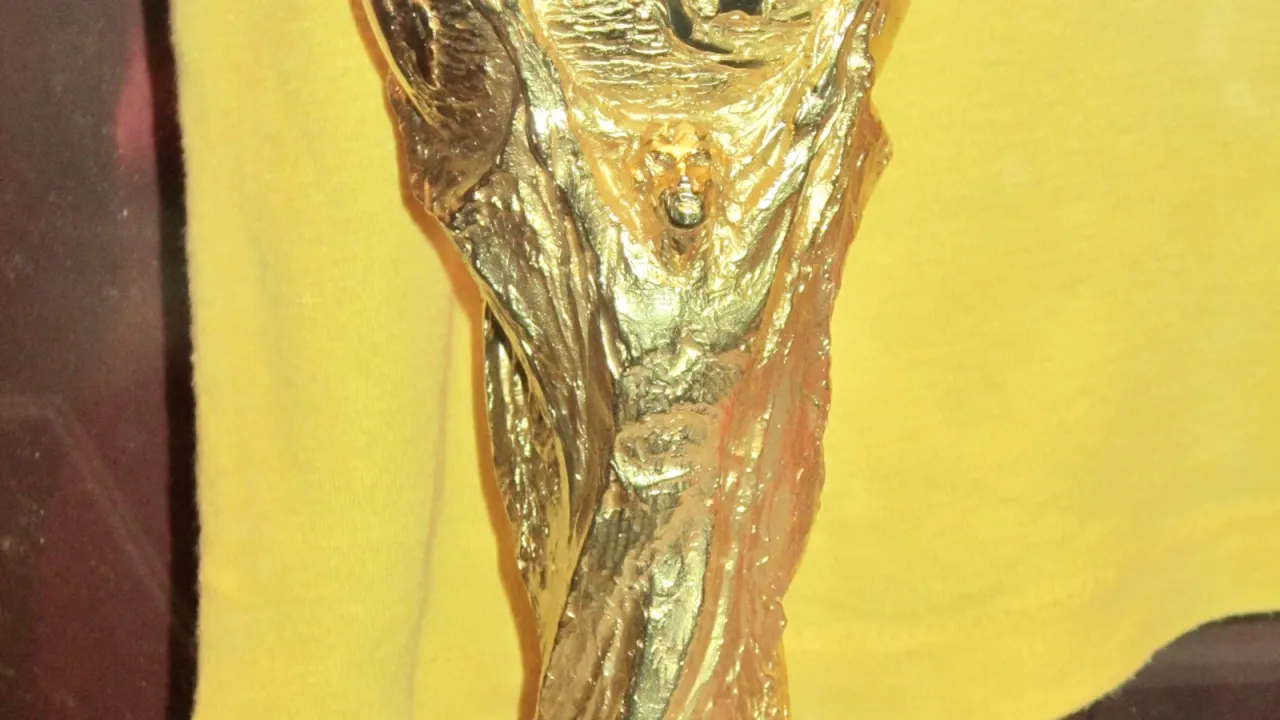
The 2026 World Cup brings FIFA’s first expansion and format change since 1998, growing from 32 teams to 48. That jump reshapes the entire tournament structure: 12 groups, a brand-new Round of 32, and a “best third-placed” rule. This guide breaks the new format down so you can follow every team’s path to the trophy.
Expansion: From 32 to 48
This is the first World Cup jointly hosted by three nations — the United States, Canada and Mexico — running from 11 June to 19 July 2026 across 39 days. The field grows from the 32 teams used at seven previous editions to 48, the biggest structural change since 1998, opening the stage to more confederations and newcomers than ever.
Group Stage: 12 Groups, Three Games Each
The 48 teams are split into 12 groups of four, and each team plays three group matches in a single round-robin. The top two from every group advance automatically, joined by the eight best third-placed teams across all 12 groups, making 32 qualifiers. This makes the final round of group games tense, with goal difference and goals scored often deciding which third-placed sides survive.
The Brand-New Round of 32
The biggest change is a stage that never existed before — the Round of 32. The 32 qualifiers begin single-game knockout football here, progressing to the Round of 16, quarter-finals, semi-finals and final. Because the old format started at the Round of 16, the extra round means the champions play one more game: semi-finalists now play eight matches instead of seven.
Total Matches and Schedule Load
The bigger field pushes the match count up sharply: the total rises from 64 to 104 matches, the most in World Cup history. The extra games test squad depth and stamina, and raise the complexity of tournament operations, venue scheduling and broadcasting.
Why Expand at All
The core logic is wider reach and broader participation: more associations earn places, meaning greater global interest and commercial value, while traditional underdogs get a stage alongside the elite. The model is not without criticism, including a longer schedule and more lopsided fixtures. Understanding the qualification rules and bracket is the clearest way to read this World Cup.
FAQ
How many teams and matches are in the 2026 World Cup?
There are 48 teams and 104 matches, the largest edition in World Cup history.
How do teams qualify from the group stage?
Twelve groups of four; the top two in each group plus the eight best third-placed teams advance, making 32 qualifiers.
Is the Round of 32 new?
Yes. It is a new stage created by expansion; previous knockouts began at the Round of 16, while this edition starts at the Round of 32.
Explore more in our World Cup section, or see the full fixtures and results page.