


Romário: Brazil’s Box Predator Behind the 1994 World Cup Golden Ball
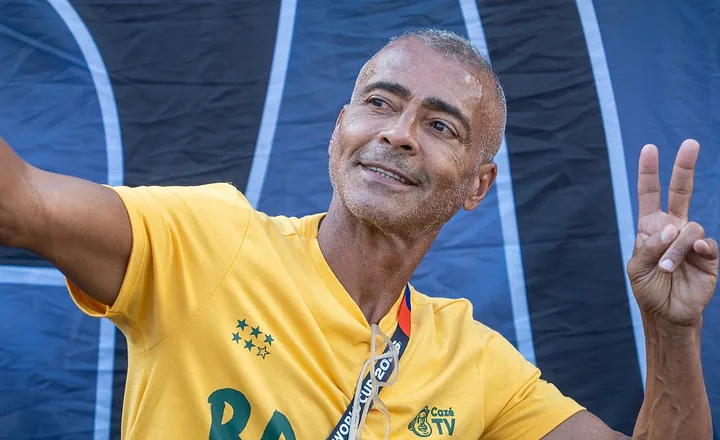
When it comes to the purest penalty-box predators in football history, Romário is an unavoidable name. Nicknamed “o Baixinho” (the Short One), the Brazilian striker was famed for his deadly instinct in front of goal and his ice-cold finishing. In 1994 he led Brazil to the World Cup title and was named both the tournament’s best player and FIFA World Player of the Year. This article presents only widely verifiable facts, tracing the career, honours and legacy of this legend.
From Rio to the World
Romário was born on 29 January 1966 in Rio de Janeiro, sharpening his nimble technique and explosive movement in street football. He made his name at Vasco da Gama, earning a reputation for ruthless finishing. He was the leading scorer at the 1988 Seoul Olympics, taking silver with Brazil, and helped his country win the 1989 Copa América — early highlights that paved his path to Europe.
A Goal Machine at PSV and Barcelona
In 1988 Romário joined Dutch giants PSV Eindhoven, where over five seasons he scored 165 goals in 167 appearances and won three Eredivisie titles. In 1993 he moved to Barcelona, becoming the spearhead of Johan Cruyff’s “Dream Team”. In his first season he finished as La Liga’s top scorer with 30 goals, helping Barça pip Bebeto’s Deportivo La Coruña to the title.
1994 World Cup: Golden Ball and a Fourth Star
The 1994 World Cup in the United States was the crowning moment of Romário’s career. He scored five goals in the tournament and, paired with Bebeto, formed a lethal attacking duo that carried Brazil to the final. Brazil beat Italy on penalties to lift the trophy for the first time in 24 years — their fourth title — and Romário’s commanding displays earned him the Golden Ball as the best player. His “baby-cradle” celebration with Bebeto became an iconic World Cup image.
1994 World Player of the Year and Honours
In 1994 Romário was named FIFA World Player of the Year, the first Brazilian to receive the honour. He was later selected for the 2002 World Cup Dream Team and named on the FIFA 100 list of the greatest living players in 2004. Across a well-travelled career he claimed to have scored more than 1,000 goals — a figure disputed under different counting methods, though it does nothing to diminish his standing as an elite finisher. After retiring he entered politics, serving for years as a Brazilian federal senator.
Style and Legacy
Romário was not physically imposing, but he possessed startling acceleration, razor-sharp anticipation and a lethal turn-and-shoot inside the box. He sought no frills, only the most efficient route to goal, and became the model of a true “fox in the box”. As one of the most representative strikers of the 20th century, his scoring instinct deeply shaped how later generations understood the pure goal-poacher role.
FAQ
How did Romário perform at the 1994 World Cup?
He scored five goals and won the Golden Ball, leading Brazil to their fourth World Cup title.
Did he win World Player of the Year?
Yes. In 1994 he was named FIFA World Player of the Year, the first Brazilian to do so.
Which major clubs did Romário play for?
Vasco da Gama, PSV Eindhoven and Barcelona among others, posting outstanding scoring records at both PSV and Barça.
For more, browse our player profiles section, or check the full fixtures and results page.