

Franz Beckenbauer Profile: Der Kaiser, World Cup Winner as Captain and Coach
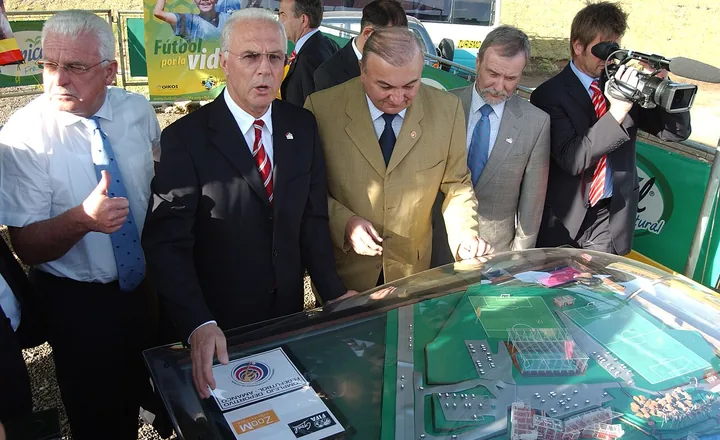
Franz Beckenbauer is widely regarded as one of the greatest and most influential players in football history, nicknamed “Der Kaiser” (the Emperor). He was born in Munich on 11 September 1945 and died on 7 January 2024, aged 78. As the innovator of the sweeper role, he lifted the World Cup as a captain and then again as a manager, writing one of the rarest dual legends in the game. This profile revisits his verifiable achievements, style and historical standing.
From Munich Youngster to “Der Kaiser”
A product of the Bayern Munich academy, Beckenbauer showed an ability to read the game and a composure far beyond his years. He redefined the traditional defender, launching attacks from deep and orchestrating his team, and is credited as the inventor of the modern “libero” or sweeper role. With elegant control, precise long passing and calm command, he became the undisputed focal point for both club and country.
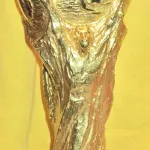
1974: Lifting the Trophy as Captain
Beckenbauer’s international career is bound up with the World Cup. He earned 103 caps for West Germany and appeared at three World Cups. At the 1974 home tournament he captained the side to the title, the peak of his playing days; he had earlier finished runner-up at the 1966 World Cup and helped West Germany win the 1972 European Championship. His consistency across major tournaments cemented his status as a generational leader.
The Bayern Dynasty and the Libero Revolution
At Bayern Munich, Beckenbauer was the cornerstone of a golden era. He led the club to three consecutive European Cups in 1974, 1975 and 1976, becoming the first player to win three European Cups as his club’s captain; he had already won the European Cup Winners’ Cup in 1967 and claimed multiple Bundesliga titles. He transformed the sweeper from a purely defensive job into a commanding, attack-starting role.
1990: World Cup Glory as a Manager
After retiring, Beckenbauer turned to coaching and made history again. He managed the West Germany national team and led them to the 1990 World Cup title, becoming one of the very few people to win the World Cup as both player and manager. From elite player to title-winning coach, he completed a rare double crossing, and later served for years as an administrator at Bayern.
Honours, Style and Historical Standing
Beckenbauer won the Ballon d’Or twice, in 1972 and 1976, the second German after Gerd Müller to do so and the only defender ever to win it twice. He combined pace, technique and football intelligence, able to snuff out attacks and dictate his team’s rhythm. As a dual model of player and leader, his influence long transcended the pitch, making him one of the defining figures of 20th-century football.
FAQ
How many World Cups did Beckenbauer win?
Two — as captain in 1974 and as manager in 1990.
How many Ballon d’Or awards did he win?
Two, in 1972 and 1976, the only defender ever to win it twice.
Why is he called the inventor of the “libero”?
He turned the traditional sweeper into an attack-launching, orchestrating role that reshaped how modern defenders play.
Explore more in our player profiles section, or see the full fixtures and results page.