


Substitution Rules Explained: Five Subs and Three Opportunities at the 2026 World Cup
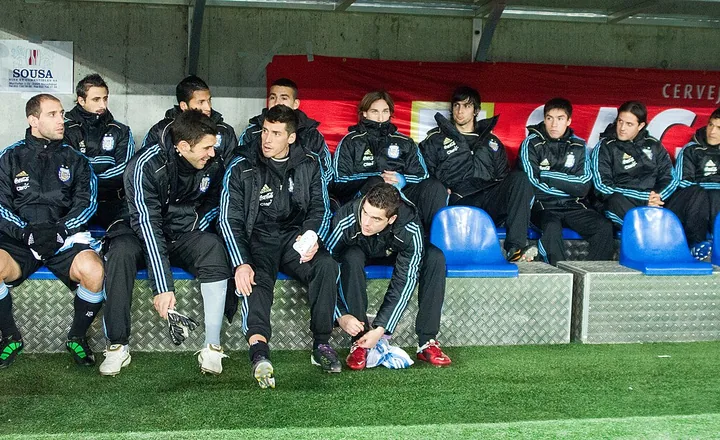
The direction of a match often changes the moment a coach holds up the substitution board. The substitution rules decide how many changes a team can make across 90 minutes and how it rotates energy and tactics. A single substitution looks simple, but it follows a full procedure set out in Law 3 of the IFAB Laws of the Game. This guide helps you read the logic behind every change at the 2026 World Cup.
When a substitution can happen
A substitution may only be made when the ball is out of play and with the referee’s permission. The substitute enters at the designated area once the player being replaced has left the field. Once the change is complete, the substituted player’s match is over and they cannot return — an important difference between top-level and grassroots football. The goalkeeper can also be replaced, and any substitute may take over in goal.
Five substitutes, three opportunities
In matches involving top-division clubs and senior ‘A’ national teams, the current rules allow each team a maximum of five substitutes, but only across three substitution opportunities. Making several changes during the same stoppage counts as a single opportunity. Importantly, substitutions made at half-time do not count towards those three opportunities. The design gives coaches room to adjust while avoiding constant interruptions to the flow of play.
The extra slot in extra time
If a knockout tie is level after 90 minutes and goes to extra time, competition rules usually grant each team one additional substitute and one extra substitution opportunity. This means fitness reserves and bench depth often become decisive in extra time, giving a coach’s in-game management even greater weight.
Concussion substitutions
To protect player health, the IFAB has introduced permanent concussion substitutions in recent years. When a player has an actual or suspected concussion, the team may replace them, and this change does not count against the five normal substitutes. To keep things fair, the opposing team also receives an additional substitute. The rule places a player’s long-term health above the result.
How substitutions shape tactics
Substitutions are no longer just about swapping tired legs; they are a key tactical weapon. Bringing on an attacker when chasing a game, or a defensive player to protect a lead, can change the outcome directly. Teams usually name several substitutes on the bench, and that depth often separates elite sides from the rest. Understanding the rules helps you read the intent behind every switch.
Frequently Asked Questions
How many players can a team substitute in one match?
Up to five in top-level football, made across three opportunities; extra time usually adds one further substitute.
Can a substituted player return to the pitch?
No. In top-level football a substituted player’s match is over and they cannot come back on.
Does a concussion substitution count towards the five?
No. A permanent concussion substitution is additional and does not use one of the five normal slots, and the opposing team also gets an extra substitute.
Explore more in our analysis section, or see the full fixtures and results page.