Sepak Takraw: Malaysia’s National Sport and Southeast Asia’s Art of the Air
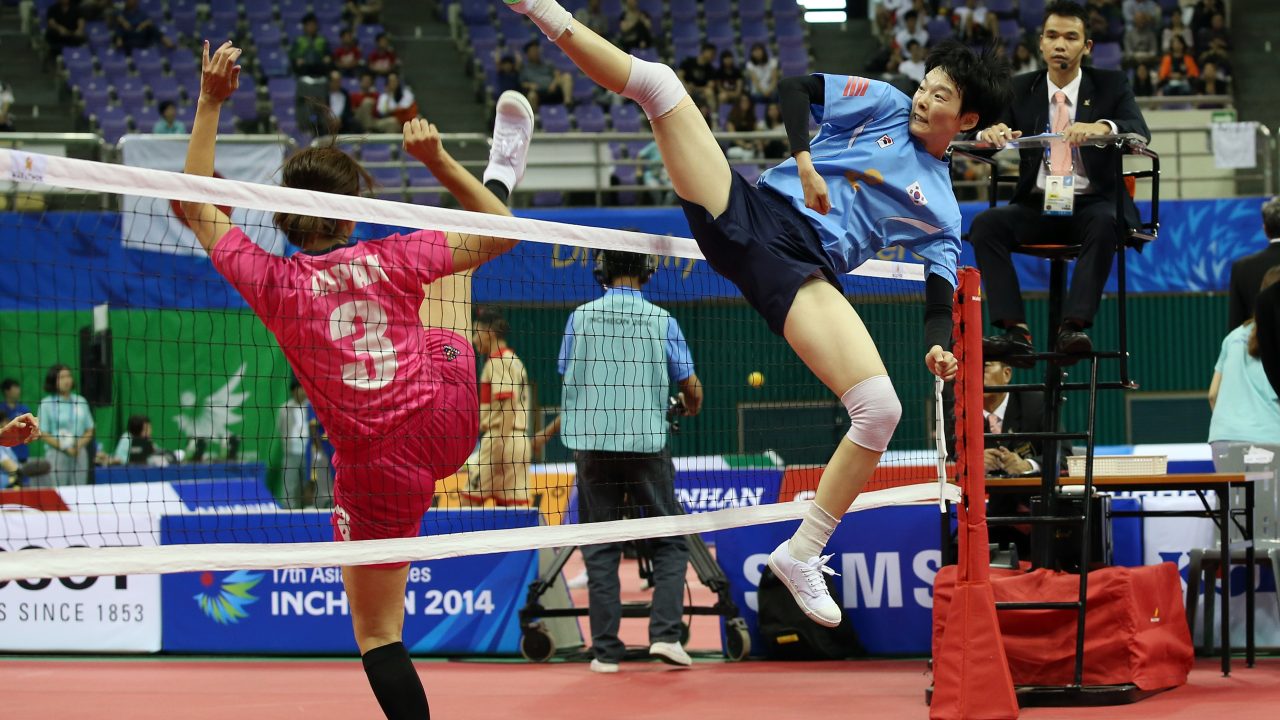
Sepak takraw is recognised as Malaysia’s national sport and one of the land’s most distinctive indigenous games. Its roots trace back roughly to the 15th-century “sepak raga” popular across the Malay Peninsula, later evolving into today’s thrilling blend of football footwork, volleyball attack-and-defence and martial-arts leaps. From city courts to village clearings, you can see people circling to pass and kick — a love woven into the national bloodstream.
Origins and cultural roots
In Malay, sepak means kick, while takraw comes from Thai for the rattan-woven ball. The early form was a circle game of cooperative passing before the modern net-based contest developed. Players cannot use hands — only feet, knees, shoulders and head — and the airborne bicycle-kick spikes are spectacular, earning it the name “art of the air.” The sport is deeply rooted in Malaysia’s rural life and festivals, a key part of national identity.
Glory: SEA Games and the King’s Cup
The sport has been an official SEA Games event since 1965 and entered the Asian Games in 1990. At the King’s Cup World Championship — seen as the sport’s highest honour — Malaysia won the inaugural 1985 title and won again in 1988, standing toe-to-toe with traditional power Thailand. Those two trophies remain a point of pride for local fans.
Heritage and future challenges
Although Thailand has held a clear edge in recent years, Malaysia keeps investing in youth systems and a domestic league to recapture past glory. As the national sport, it carries local sporting confidence and is a vivid calling card of Malaysia’s plural culture — every dazzling aerial spike a continuation of that cultural vitality.
Three-a-side play and aerial aesthetics
The most common modern format is the three-player “regu,” with clear roles: server, setter and spiker combining in tight spaces for astonishing teamwork. The signature image is the spiker twisting in mid-air to slam the ball over the net with the instep — a burst of power and flexibility that pushes the limits of human movement, and which has gone viral on social media, showing the world this Southeast Asian art of the air.
For more local sporting legends, browse the Malaysia Sports column; follow live World Cup action at the Live Scores Centre and check the full fixtures.