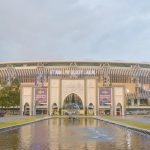
Bukit Jalil National Stadium: Southeast Asia’s Largest Ground and Malaysia’s Modern Home
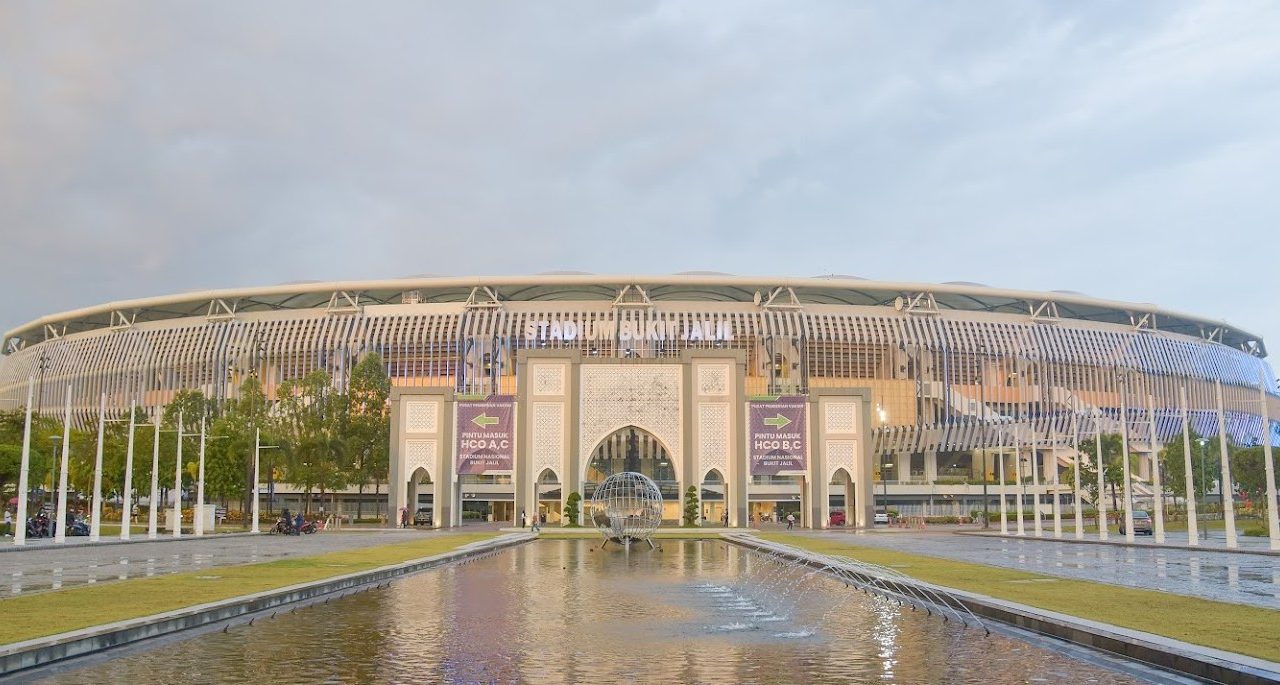
Stadium Nasional Bukit Jalil is Malaysia’s largest and most prestigious stadium, set in the national sports centre in southern Kuala Lumpur. Begun in 1995 and officially opened on 11 July 1998 by then-PM Mahathir Mohamad, it was finished ahead of that September’s Commonwealth Games. With a capacity of around 100,000 at opening, it was long Southeast Asia’s largest stadium and replaced Stadium Merdeka as the national team’s modern home.
From the Commonwealth Games to national landmark
The stadium was built directly for the 1998 Kuala Lumpur Commonwealth Games — the first held in Asia — with Malaysia delivering a flagship venue able to host the opening and closing ceremonies and athletics. Designed by teams including Arkitek FAA, with a reinforced-concrete bowl, membrane roof and nine 400-metre synthetic lanes, it marked the moment a nation, 40-plus years after independence, showed itself to the world.
The Tigers’ modern home and AFF Cup nights
From 1998 it became home of the “Malayan Tigers,” succeeding Stadium Merdeka and Shah Alam Stadium. On key AFF Championship (formerly Suzuki Cup) nights the stands turned into a sea of red: the 2010 first-leg final against Indonesia drew an official crowd of about 98,000, nearly full; the 2018 first-leg final against Vietnam packed in over 88,000. That roar is the shared youth of generations of fans.
More than football: events and concerts
Beyond football it hosted the 2001 and 2017 SEA Games and the 2007 Asian Cup, a hub of Malaysia’s sporting map. In recent years it has also become a top stop for international concert tours, its huge capacity prompting frequent shows — even sparking public debate over whether the ground should prioritise football or concerts, reflecting its many roles in national life.
KL Sports City revamp and the future
From 2015 to 2017, for the SEA Games, the stadium was extensively renovated as part of the KL Sports City project, gaining an illuminated vertical-louvre facade designed by Populous and yellow-black seating, at a cost in the billions of ringgit. The post-revamp capacity of about 87,000 still ranks it among Southeast Asia’s largest grounds.
For more local sporting legends, browse the Malaysia Sports column; follow live World Cup action at the Live Scores Centre and check the full fixtures.