

FC Barcelona Club Profile: From Gamper’s Founding to the Blaugrana Dynasty
FC Barcelona is one of the most storied and stylistically distinctive clubs in world football. Founded in 1899, the Catalan giants have played in their blue-and-red stripes for over a century and are seen by countless fans as the embodiment of footballing beauty. From the stands of the Camp Nou to lifting trophies on the European stage, Barça’s motto “Més que un club” (More than a club) binds football to identity. This guide covers the club’s history, honours, home ground and legends.
From 1899 to Catalan Giants
FC Barcelona was founded in 1899 by the Swiss Joan Gamper, together with a group of Swiss, Catalan, German and English footballers. A traditional powerhouse of Spanish football, Barça have long jousted with Real Madrid, and their meetings — El Clásico — are among the most watched fixtures in the sport. Drawing on deep heritage, Barcelona have won La Liga 29 times, making them one of the most successful clubs in Spain’s top flight.
Camp Nou and “More Than a Club”
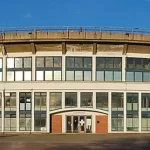
Barcelona’s home, the Camp Nou (now Spotify Camp Nou), opened in 1957 and holds more than 90,000 spectators, making it the largest stadium in Europe. The ground has recently undergone a major renovation that will increase its capacity further. The motto “Més que un club” captures the club’s meaning beyond sport — it has long been intertwined with Catalan identity, culture and sentiment, standing as a symbol for its supporters.
Five European Cups and a Golden Era
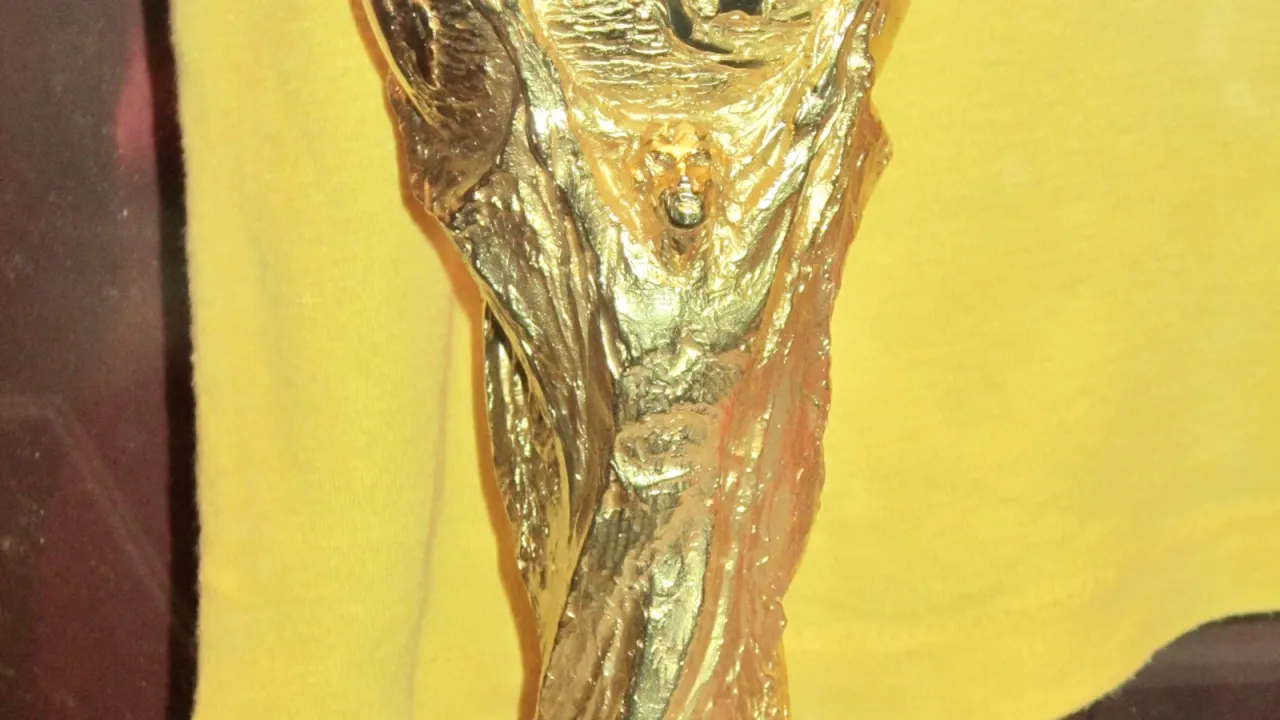
On the European stage, Barcelona have won the Champions League (including its predecessor, the European Cup) five times — in 1992, 2006, 2009, 2011 and 2015. In 2009, under Pep Guardiola, the team swept all six trophies available in a single calendar year, becoming the first club in history to complete a “sextuple”; the trebles of 2009 and 2015 remain the defining achievements of the club’s golden era.
La Masia and Tiki-taka
Barcelona are famous for their youth academy, La Masia, which produced generations of stars including Messi, Xavi, Iniesta and Guardiola. Rooted in Johan Cruyff’s “Dream Team” and perfected during the Guardiola era, the “tiki-taka” style — built on short passing, possession and high pressing — has profoundly shaped modern football’s tactical trends.
Style and Historical Standing
Barcelona’s football prizes technique, imagination and spectacle, seeking to control matches through possession and collective play. From Cruyff and Ronaldinho to Messi, generations of legends have written the club’s glory. As the embodiment of “more than a club,” Barça’s influence extends far beyond the pitch, making it one of the most globally resonant brands in football.
FAQ
How many Champions League titles have Barcelona won?
Five, in 1992, 2006, 2009, 2011 and 2015.
What is Barcelona’s home stadium?
The Camp Nou (now Spotify Camp Nou), opened in 1957, holding more than 90,000 — the largest stadium in Europe.
What does “Més que un club” mean?
It means “More than a club,” Barcelona’s motto, reflecting its meaning beyond sport and its ties to Catalan identity.
Explore more in our teams section, or see the full fixtures and results page.