


Ferenc Puskás: The Galloping Major and Hungary’s Golden Team Legend
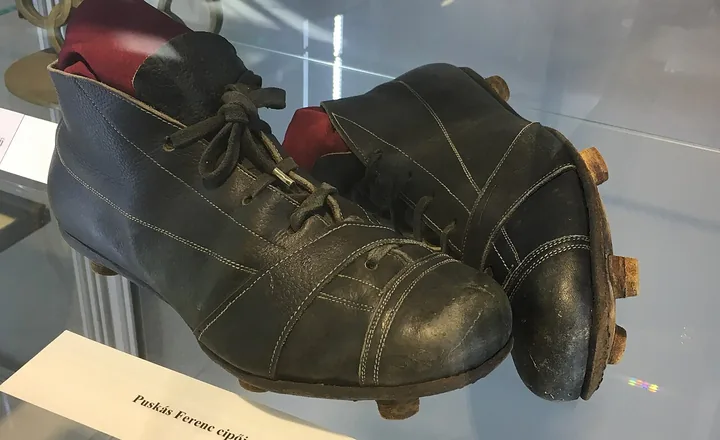
Ferenc Puskás is one of the most important names in football history. The Hungarian left-footed genius was the standard-bearer of the “Golden Team” and a key part of Real Madrid’s legend, and he even left behind an award bearing his name. He was born in Budapest on 1 April 1927 and died in his home city on 17 November 2006. This profile traces his career and historical standing, presenting only verifiable facts.
From Budapest to the “Galloping Major”
Puskás emerged from Budapest’s youth football and made his name early, famed for his lethal, precise left foot. Because he held a military rank while playing for an army club, he earned the nickname the “Galloping Major”. Whether for club or country, he was the undisputed hub and finisher of every attack he led.
The Mighty Magyars and the 6-3 at Wembley
In the 1950s, the Hungary “Golden Team” (the Mighty Magyars), led by Puskás, were almost unstoppable. They won the football gold medal at the 1952 Helsinki Olympics, and in 1953 beat England 6-3 at Wembley — the first time England lost at home to a team from outside the British Isles, a game hailed as the “Match of the Century”. He scored 84 goals in 85 internationals for Hungary, a strike rate that still ranks among the very best.
The Heartbreak of the 1954 World Cup Final
At the 1954 World Cup in Switzerland, Hungary swept into the final, only to be overturned 3-2 by hosts West Germany after leading by two goals — a match later known as the “Miracle of Bern”. Playing through injury, Puskás and that golden side were left with one of football’s most famous near-misses, the title slipping from their grasp.
Real Madrid and the 1960 European Cup Final
After Hungary’s political upheaval in 1956, Puskás eventually joined Real Madrid, beginning a second act at the age of 31. Alongside Di Stéfano he formed a fearsome attack and won the European Cup three times with the club. In the 1960 final, Real Madrid thrashed Eintracht Frankfurt 7-3 and Puskás scored all four of his goals — one of the most iconic individual displays in European Cup history.
Legacy and the Puskás Award
Combining pace, technique and a cool finishing touch, Puskás is widely regarded as one of the greatest scorers of the 20th century. In 2009, FIFA created the “FIFA Puskás Award” in his name, given each year for the best goal, carrying his legend forward in another form. For anyone who follows player profiles, Puskás remains essential to understanding great goalscoring.
FAQ
How many goals did Puskás score for Hungary? He scored 84 goals in 85 internationals, one of the best strike rates in history.
How did he perform in the 1960 European Cup final? Real Madrid won 7-3 against Eintracht Frankfurt and Puskás scored four goals. See more in our fixtures and results.
What is the Puskás Award? A FIFA award created in 2009 and named after him, given each year for the best goal. Explore more in our player profiles section.