What Is VAR? The Video Assistant Referee Rules and Process Explained
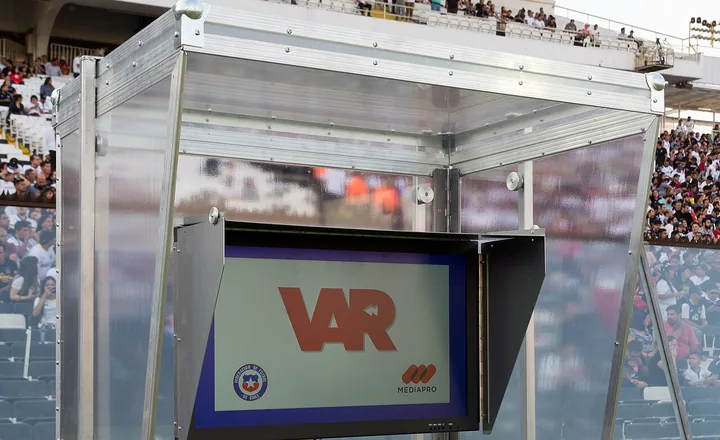
VAR (the Video Assistant Referee) is one of the most significant technological changes in modern football. It uses video replays to help the on-field referee correct “clear and obvious errors,” and has become a standard fixture at major tournaments since its World Cup debut at Russia 2018. This guide explains what VAR can review, the threshold for intervention, how the review process works, and its latest application at the 2026 World Cup.
VAR Only Covers Four Situations
VAR does not check everything. Its involvement is strictly limited to four “match-changing” categories: goals (and any offside or foul in the build-up), penalty decisions, direct red cards, and mistaken identity. Ordinary fouls, corners and yellow cards fall outside its scope. This boundary is designed to pursue fairness while minimising disruption to the flow of the game.
The Threshold: Clear and Obvious Error
VAR follows the principle of “minimum interference, maximum benefit.” The VAR team only alerts the referee when the original decision is a clear and obvious error, or when there has been a serious missed incident. Borderline, subjective calls are usually left as they stand—VAR will not overturn a decision simply because another outcome “might” be more accurate.
How the Review Works
The VAR team monitors the match live from a dedicated video operation room. When they spot a possible clear error, they alert the referee via headset. The referee can either accept the recommendation or carry out an on-field review at a pitchside monitor before making the final call. There is no fixed time limit, and the final decision always rests with the on-field referee, not the video official.
Semi-Automated Offside Technology
Offside is one of the most common VAR checks. Semi-automated offside technology debuted at the 2022 Qatar World Cup, using multiple tracking cameras under the stadium roof to capture the position of players’ limbs and the ball, plus a sensor inside the ball to pinpoint the exact moment of the kick. It is a support tool: the automated offside alert is still checked by the video officials before the on-pitch referee is informed.
VAR Upgrades at the 2026 World Cup
The 2026 World Cup carries this system forward with upgrades: every participating player is 3D-scanned, with their digital avatar built into the semi-automated offside system for greater precision, while clear offsides are communicated more directly to the on-pitch officials so assistant referees can flag faster. The goal of these changes is consistent—decisions that are both more accurate and quicker. For more tactical and rules breakdowns, browse our analysis section, or check the full fixture list to follow every match.
FAQ
Q: When was VAR first used at a World Cup?
A: At Russia 2018, the first World Cup to use VAR.
Q: Which decisions can VAR review?
A: Only four key situations—goals, penalty decisions, direct red cards and mistaken identity.
Q: Who makes the final decision on an overturn?
A: Always the on-field referee; VAR only advises and cannot overrule the referee directly.